Industry News

How Are Bronze Turned and Milled Parts Manufactured?

2026-03-27 - Leave me a message

Summary: Bronze turned and milled parts are essential components in industries ranging from automotive to marine equipment. This article explores their manufacturing process, the benefits of precision machining, material considerations, common applications, and tips for selecting the right supplier. Whether you are an engineer, buyer, or manufacturer, understanding these components can improve efficiency and product quality.

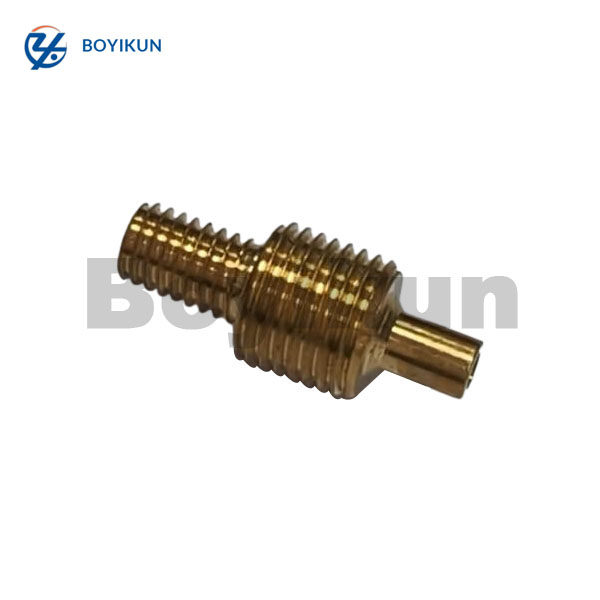
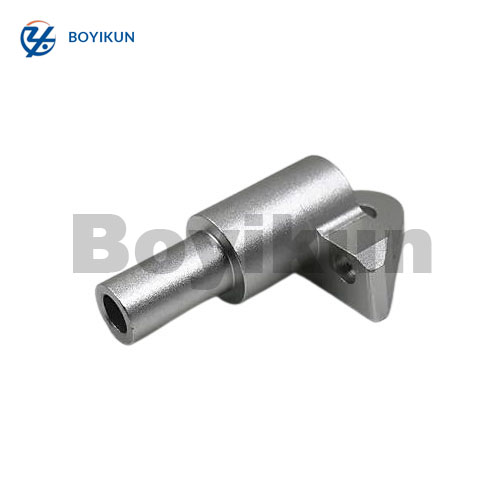
Bronze Precision Screws Turned and Milled Parts

Introduction to Bronze Turned and Milled Parts

Bronze turned and milled parts are precision components produced by shaping bronze using lathes and milling machines. They are widely used in industries where durability, corrosion resistance, and low friction are critical. Companies like Boyikun specialize in producing high-quality bronze components tailored to customer specifications.

These parts are often used in assemblies that require tight tolerances and smooth surface finishes, making precision machining essential for performance and longevity.


The Manufacturing Process

The production of bronze turned and milled parts involves several key steps:

  1. Material Selection: Choosing the right bronze alloy based on strength, wear resistance, and corrosion resistance.
  2. Turning: Using a lathe to remove excess material and achieve the desired cylindrical shapes and diameters.
  3. Milling: Applying milling machines to create flat surfaces, slots, or complex geometries.
  4. Drilling and Finishing: Drilling holes and performing surface finishing to meet precise tolerances.
  5. Inspection and Quality Control: Measuring dimensions and surface quality to ensure compliance with specifications.

The following table summarizes the key differences between turning and milling in bronze part manufacturing:

Process Purpose Typical Tolerance Equipment
Turning Shape cylindrical parts ±0.01 mm Lathe
Milling Create flat surfaces, slots, and complex shapes ±0.02 mm Milling Machine

Key Material Properties of Bronze

Bronze is a copper-tin alloy known for its unique combination of properties:

  • Corrosion Resistance: Performs well in marine and industrial environments.
  • Wear Resistance: Low friction surfaces prevent rapid wear.
  • Thermal Conductivity: Efficiently dissipates heat in machinery applications.
  • Machinability: Suitable for precision turning and milling.

Different bronze alloys can be chosen depending on the application, including phosphor bronze, aluminum bronze, and leaded bronze.


Common Applications

Bronze turned and milled parts are used in diverse industries due to their strength and durability. Key applications include:

  • Marine hardware, such as propeller shafts and bearings
  • Automotive components including bushings and gears
  • Industrial machinery requiring low-friction moving parts
  • Electrical and plumbing components where corrosion resistance is essential

Benefits of Using Bronze Turned and Milled Parts

Investing in quality bronze parts offers several advantages:

  1. Longevity: Resistant to wear, corrosion, and high temperatures.
  2. Precision: Tight tolerances improve mechanical performance.
  3. Cost Efficiency: Reduced downtime and maintenance costs.
  4. Customization: Easily tailored to unique specifications.

Quality Considerations When Choosing a Supplier

Selecting the right supplier ensures reliable performance and reduces production risks. Important factors include:

  • Experience in producing precision bronze components
  • Ability to handle custom orders and complex geometries
  • Advanced inspection tools for tolerance verification
  • Consistent supply chain and material traceability

Companies like Boyikun offer comprehensive services for bronze turned and milled parts, combining advanced machinery, quality control, and fast delivery to meet industrial demands.


FAQ

Q1: What is the difference between turned and milled parts?

A: Turned parts are shaped on a lathe, typically cylindrical, while milled parts are shaped on a milling machine to create flat surfaces or complex features.

Q2: Which bronze alloy is best for marine applications?

A: Aluminum bronze and phosphor bronze are commonly used due to their excellent corrosion resistance in saltwater environments.

Q3: Can bronze parts be customized?

A: Yes, suppliers like Boyikun can manufacture bronze turned and milled parts to exact specifications, including dimensions, tolerances, and surface finishes.

Q4: How do I ensure the quality of bronze components?

A: Work with suppliers that provide detailed inspection reports, material certifications, and have experience in precision machining.


For high-quality bronze turned and milled parts tailored to your industry needs, Boyikun offers expert solutions and reliable delivery. Contact us today to discuss your project and get a custom quote!

Send Inquiry


X
We use cookies to offer you a better browsing experience, analyze site traffic and personalize content. By using this site, you agree to our use of cookies. Privacy Policy
Reject Accept