
Summary: Die-casting parts are precision components created by forcing molten metal into molds under high pressure. This article explores their applications, benefits, materials, and quality considerations, helping manufacturers and engineers make informed decisions for industrial, automotive, and consumer product production.
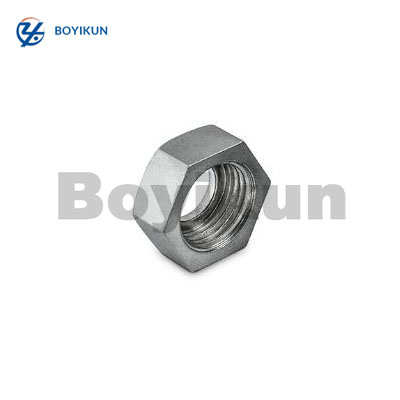
Die-casting parts are manufactured through a high-pressure casting process, which ensures excellent dimensional accuracy and surface finish. They are widely used in industries requiring complex geometries and consistent quality. The process is suitable for both small and large production volumes, offering efficiency without compromising precision.
Die-casting parts are versatile and serve multiple industries, including automotive, electronics, industrial machinery, and consumer goods. Their precision and strength make them ideal for components that require durability and accurate fit.
The choice of material significantly affects the performance and longevity of die-casting parts. Common metals include:
| Material | Properties | Typical Applications |
|---|---|---|
| Aluminum | Lightweight, corrosion-resistant, excellent thermal conductivity | Automotive components, housings, consumer electronics |
| Zinc | High strength, excellent surface finish, cost-effective | Small hardware, decorative parts, automotive fittings |
| Magnesium | Very lightweight, strong, suitable for complex shapes | Electronics casings, automotive parts, aerospace components |
| Copper Alloys | High thermal and electrical conductivity, durable | Electrical components, heat exchangers, machinery parts |
Die-casting offers numerous advantages over traditional manufacturing methods:
The die-casting process involves several critical steps to ensure quality and consistency:
Ensuring consistent quality is essential for die-casting parts. Key measures include:
Q1: What industries rely most on die-casting parts?
A: Automotive, electronics, industrial machinery, and consumer product industries are the primary users due to their demand for precision and durability.
Q2: Can die-casting parts be customized for unique designs?
A: Yes. Die-casting allows complex geometries and can be tailored for specific functional requirements while maintaining high production efficiency.
Q3: How do I choose the right material for die-casting parts?
A: Material selection depends on strength, weight, corrosion resistance, thermal conductivity, and cost considerations. Aluminum and zinc are most commonly used.
Die-casting parts play a critical role in modern manufacturing, offering precision, durability, and versatility across industries. Boyikun specializes in high-quality die-casting solutions tailored to client requirements, ensuring consistent performance and excellent surface finish. For customized solutions or bulk orders, contact us today to discuss your specific needs and get professional support from our experienced team.


