
Carbon Steel Cold Forged Parts are widely used in automotive, machinery, construction, and industrial equipment due to their strength, dimensional accuracy, and cost efficiency. However, many buyers face challenges such as inconsistent quality, unclear material performance, poor tolerance control, and difficulty selecting the right manufacturing process. This article provides a comprehensive explanation of how Carbon Steel Cold Forged Parts are manufactured, what problems the process solves, and how buyers can make informed decisions when sourcing these components. The content focuses on practical manufacturing insights, performance considerations, and application-specific requirements to help decision-makers reduce risk and improve long-term reliability.
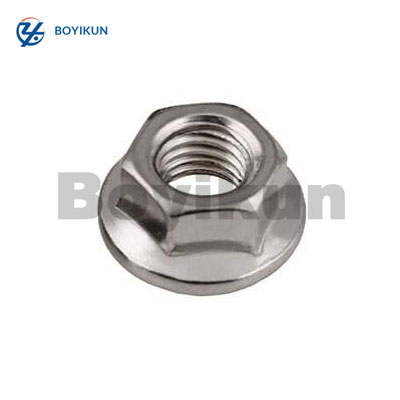
Carbon Steel Cold Forged Parts are metal components formed at or near room temperature using high-pressure deformation. Unlike machining, which removes material, cold forging reshapes the steel by forcing it into a die cavity. This process enhances the internal grain structure, resulting in higher strength and improved fatigue resistance.
These parts are typically produced from low-carbon or medium-carbon steel grades, making them suitable for high-volume production where consistency and mechanical reliability are critical.
The cold forging process involves several controlled stages designed to achieve precise geometry and stable mechanical properties.
This process minimizes material waste and ensures repeatable quality, which is especially important for automotive and mechanical assemblies.
Carbon steel is favored in cold forging due to its balanced combination of formability, strength, and cost efficiency. The carbon content directly influences hardness and ductility.
| Carbon Content | Typical Properties | Common Uses |
|---|---|---|
| Low Carbon (≤0.25%) | Excellent ductility, good toughness | Fasteners, pins, shafts |
| Medium Carbon (0.25–0.60%) | Higher strength, moderate formability | Gears, connecting components |
Carbon Steel Cold Forged Parts address several common buyer pain points, including high production costs, inconsistent tolerances, and limited mechanical performance.
These advantages make cold forging particularly attractive for buyers seeking long-term supply stability.
Carbon Steel Cold Forged Parts are widely used across multiple industries where reliability and mechanical performance are essential.
Quality control is a critical concern for buyers sourcing cold forged components. Reliable manufacturers implement strict inspection protocols throughout the production cycle.
Consistent tolerance control ensures compatibility with downstream assembly processes and reduces rejection rates.
Selecting the right manufacturer for Carbon Steel Cold Forged Parts directly impacts product performance and supply continuity.
A supplier with proven process control and engineering expertise can significantly reduce procurement risks.
What is the main difference between cold forging and machining?
Cold forging reshapes metal without removing material, while machining cuts away excess material. Cold forging typically offers higher strength and better material utilization.
Are Carbon Steel Cold Forged Parts suitable for high-stress applications?
Yes. The grain structure formed during cold forging improves fatigue resistance, making these parts suitable for demanding mechanical environments.
Can cold forged parts meet tight dimensional tolerances?
With proper tooling and process control, cold forged parts can achieve excellent dimensional consistency suitable for automated assembly lines.
Understanding how Carbon Steel Cold Forged Parts are manufactured helps buyers address common concerns related to strength, cost, and quality stability. By leveraging the advantages of cold forging and selecting an experienced manufacturer, companies can achieve reliable performance and long-term value in their components.
Boyikun provides professionally manufactured Carbon Steel Cold Forged Parts with stable quality control and application-focused support. For tailored solutions and detailed technical consultation, contact us to discuss your specific project requirements and sourcing needs.


